
Coronary Artery Disease (CAD)
Diagnosis and treatment of narrowed heart arteries — the most common cause of chest pain and heart attacks.

What is coronary artery disease?
Coronary artery disease develops when the arteries that supply blood to your heart muscle become narrowed or blocked by plaque — a buildup of cholesterol, fat, and other substances known as atherosclerosis. As the plaque grows, less oxygen-rich blood reaches the heart. CAD is the most common form of heart disease and the leading cause of chest pain (angina) and heart attacks.
Symptoms to watch for
Many people have no symptoms until the disease is advanced. When symptoms do appear, they often include chest pressure, tightness, or pain (angina), especially with exertion or stress; shortness of breath; and unusual fatigue. Discomfort may spread to the arm, shoulder, neck, or jaw. Sudden, severe chest pain with sweating, nausea, or breathlessness can signal a heart attack — call 911 immediately.
Who is at risk?
Your risk rises with high blood pressure, high cholesterol, diabetes, smoking, a family history of heart disease, older age, excess weight, and an inactive lifestyle. Many of these factors are modifiable, which is why early evaluation and prevention make such a difference.
How we diagnose CAD
We start with a thorough history and exam, then use tests tailored to you: an EKG, stress testing, and echocardiography, along with bloodwork. When a blockage is suspected, coronary angiography gives a definitive look inside the arteries.
How we treat CAD
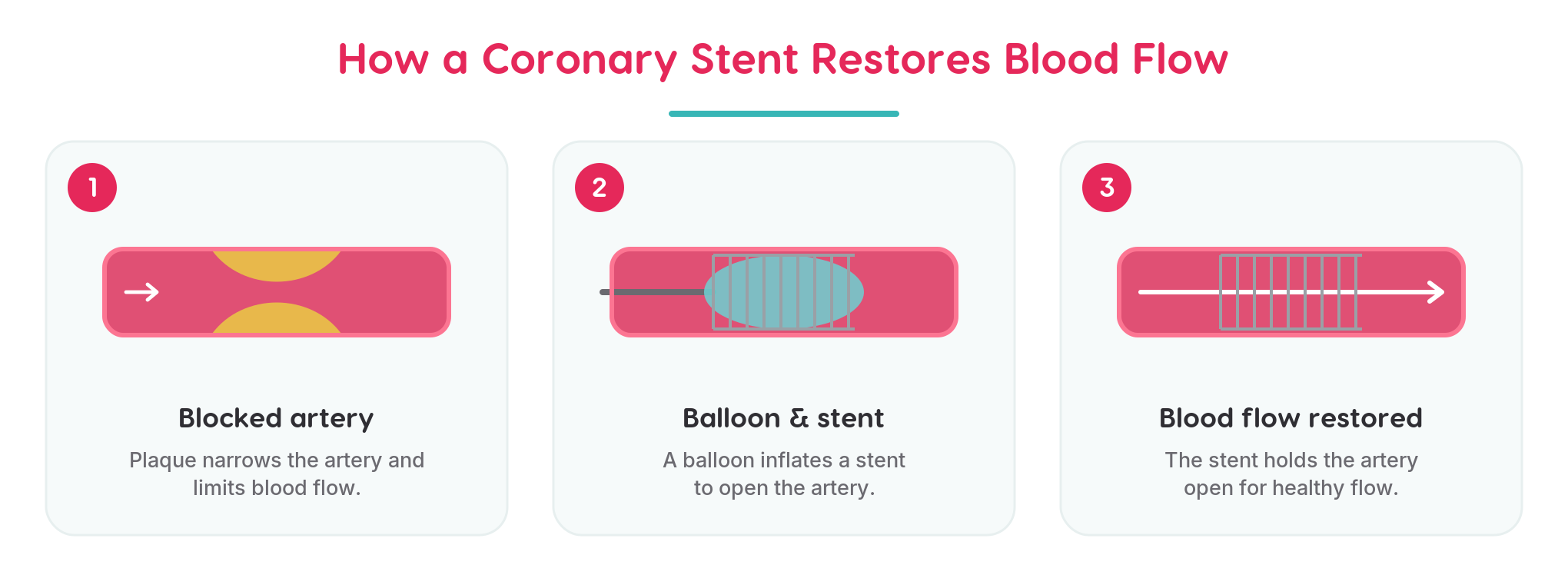
Treatment is personalized. It usually begins with lifestyle changes and medication — cholesterol-lowering statins, blood-pressure control, and anti-platelet therapy. When a significant blockage is present, angioplasty and a stent can restore blood flow through a small puncture, often the same day. Severe, multi-vessel disease may need bypass surgery, which we coordinate with our hospital partners.
Living with CAD
CAD is a lifelong condition, but with the right plan most people live full, active lives. Ongoing follow-up, healthy habits, and staying on your medications keep the disease stable and lower your risk of a future heart attack.
Insurance & scheduling
We accept most major insurance plans, including Medicare. When a test or treatment is medically necessary, it is typically covered — our team verifies your benefits and explains any out-of-pocket costs before you begin. Request an appointment through our contact page or call (281) 807-5253.
Cardiology & vein care for Tomball & Cypress
Northwest Cardiovascular Clinic is located just off SH 249 (Tomball Parkway) in northwest Houston, serving patients throughout Tomball, Cypress, Spring, and the greater Houston area. Dr. Ismail Dairywala, MD, FACC brings over two decades of cardiovascular experience to every visit. Contact us to schedule a consultation.
Frequently asked questions
What are the first signs of coronary artery disease?
Often there are none until the disease is advanced. The most common early symptom is chest pressure or tightness (angina) that comes on with exertion or stress and eases with rest, sometimes with shortness of breath or fatigue. Any sudden, severe chest pain needs emergency care.
Can coronary artery disease be reversed?
The plaque itself usually cannot be fully removed, but CAD can be stabilized and its progression slowed or halted with medication, cholesterol control, and lifestyle changes. Many people significantly improve their symptoms and lower their heart-attack risk.
How is coronary artery disease diagnosed?
Through a combination of your history, an EKG, stress testing, echocardiography, bloodwork, and — when a blockage is suspected — coronary angiography, which gives a definitive picture of the arteries.
Do I always need a stent for CAD?
No. Many people are managed successfully with medication and lifestyle changes alone. Stents are used when a significant blockage is causing symptoms or reducing blood flow; the right approach is individualized.
Can I still exercise with coronary artery disease?
In most cases, yes — regular activity is part of treatment. Your cardiologist will guide safe exercise based on your test results, sometimes after a stress test to confirm what your heart can handle.
Take the next step towards a healthy heart
Request an appointment by clicking the button below or call our office staff at (281) 807-5253.